
Commercial roof coatings have become a popular alternative to full roof replacement—offering property and facility managers a way to extend roof life, improve energy efficiency, and reduce capital expenditures. But while coatings can deliver excellent results, their success depends on the condition of the existing roof and the quality of surface preparation prior to application.
In short, a roof coating is only as good as the surface it is applied to.
Not a Cover-Up Solution
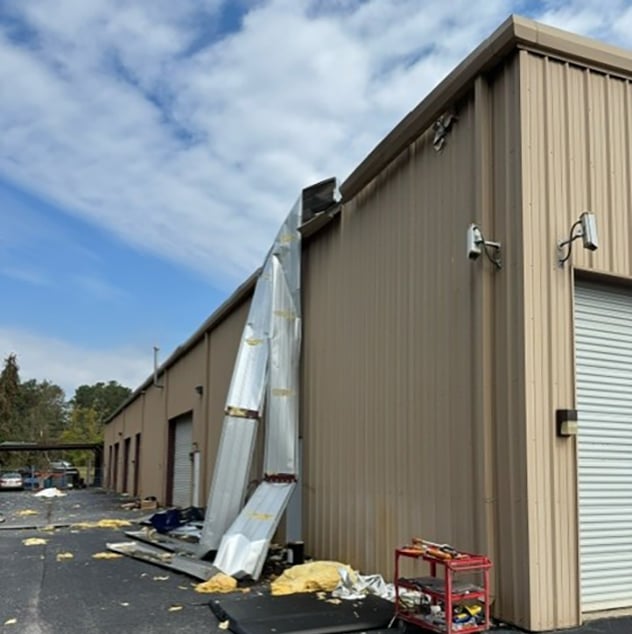
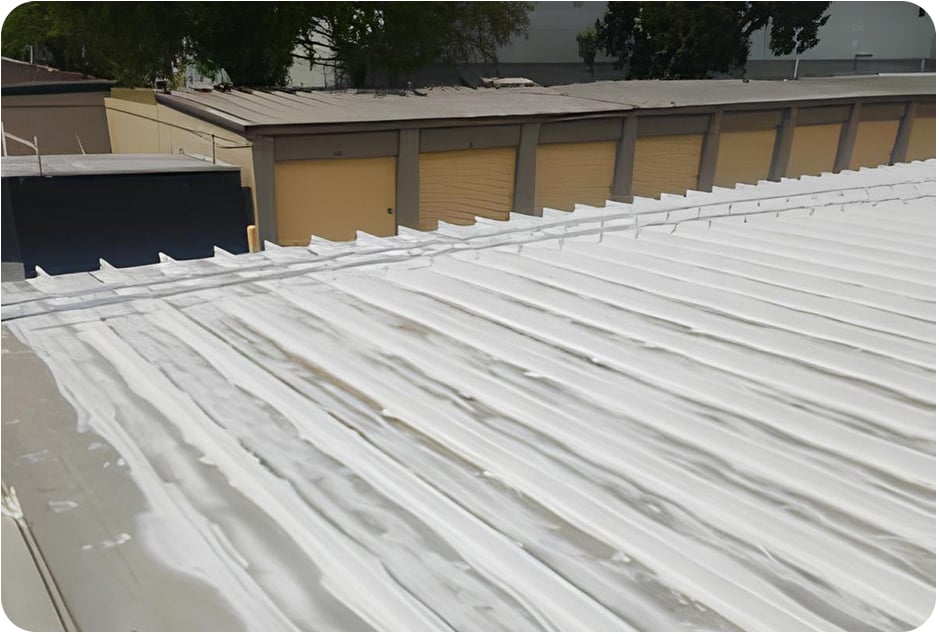
A common misconception is that roof coatings can compensate for poor roof condition. In reality, coatings are designed to protect and extend the life of an already serviceable roofing system, not hide underlying problems.
Coatings must be mechanically and chemically bonded to a sound substrate to perform as intended. When coatings are applied over deteriorated membranes, trapped moisture, loose materials, or contaminated surfaces, premature failure is almost inevitable.
Before any coating system is considered, a thorough roof condition assessment should determine:
- Whether the roof is structurally sound
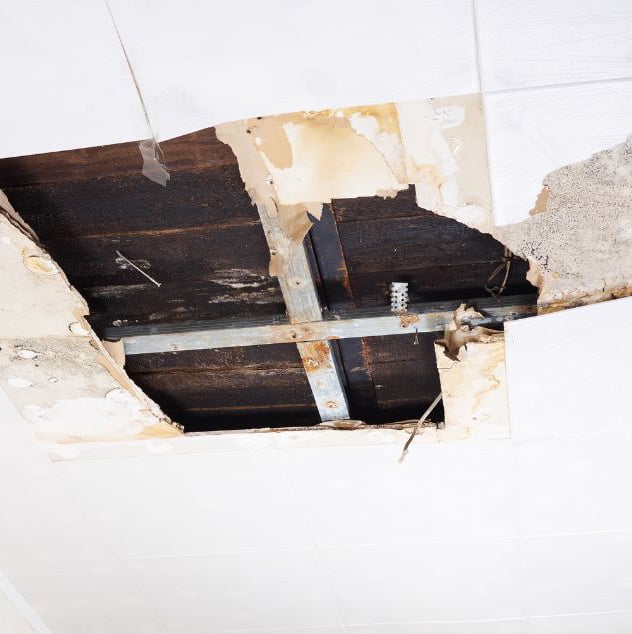
- If moisture is present within the insulation or assembly
- The extent of membrane deterioration, seam failure, or flashing damage
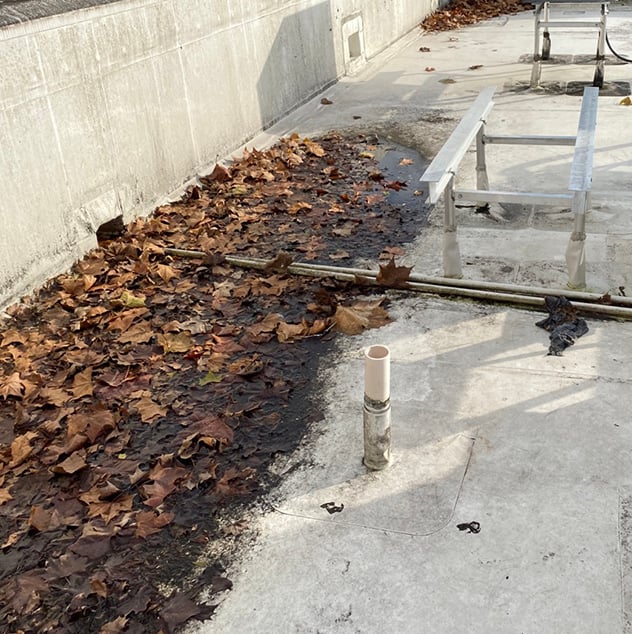
- Drainage effectiveness and ponding water conditions
If major deficiencies exist, repairs—or in some cases roof replacement—may be required before a coating solution is viable.
Surface Preparation is Critical
Surface preparation is widely regarded as the single most important phase of a commercial roof coating project. A significant percentage of coating failures can be traced directly to inadequate preparation and poor adhesion conditions. Proper surface prep ensures that the coating bonds to the actual roofing substrate.
Effective preparation typically includes:
- Thorough cleaning to remove dirt, biological growth, grease, and airborne contaminants
- Removal of loose or deteriorated materials, including failed coatings or rust
- Drying the roof surface to eliminate moisture that can cause blistering or delamination
- Detailed repairs at seams, penetrations, flashings, and transitions
Skipping or rushing these steps may reduce short-term costs, but it greatly increases the risk of early failure, negating the long-term value of the coating system.
Adhesion is Everything
Roof coatings are designed to form a seamless, protective membrane—but only when proper adhesion is achieved. Coatings applied to improperly prepared surfaces often bond to surface contaminants instead of the roof itself, compromising the integrity of the entire system.
Poor adhesion may lead to:
- Peeling or lifting of the coating
- Premature cracking or bubbling
- Reduced waterproofing performance
- Shortened service life and voided manufacturer warranties
Manufacturers publish specific surface preparation requirements for every coating system—whether acrylic, silicone, polyurethane, or others—and meeting those requirements is critical to achieving the coating’s intended performance and lifespan. Before moving forward with a project, review the specifications with a trusted roofing partner and ask how they verify compliance throughout the preparation and application process.
Existing Condition Matters
Even with excellent prep work, the underlying roof condition still determines how long a coating system will last. Roofs with widespread membrane degradation, saturated insulation, or structural movement may not be appropriate candidates.
A professional evaluation provides clarity on whether a coating will realistically deliver a 10– to 20-year service life or whether the risk outweighs the benefit.
Need help deciding?
For facility and asset managers, roof coatings can be a smart, cost-effective solution—but only when paired with an unbiased evaluation to assess existing roof condition and meticulous surface preparation. Let’s Roof can help! Let’s talk today.