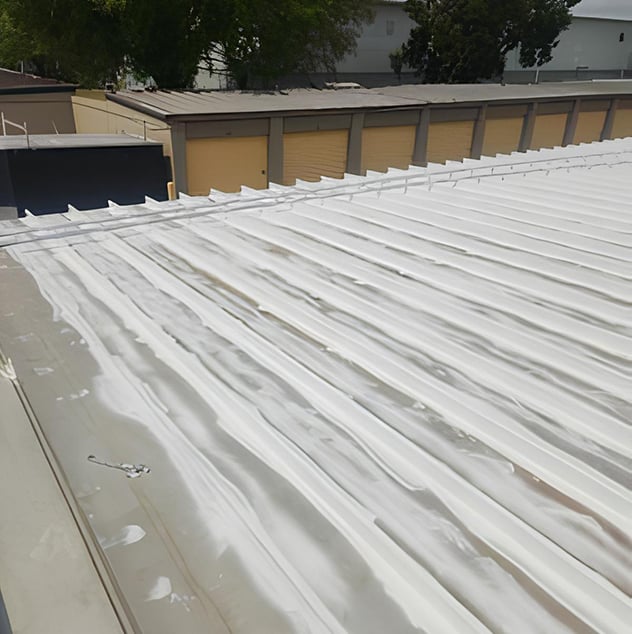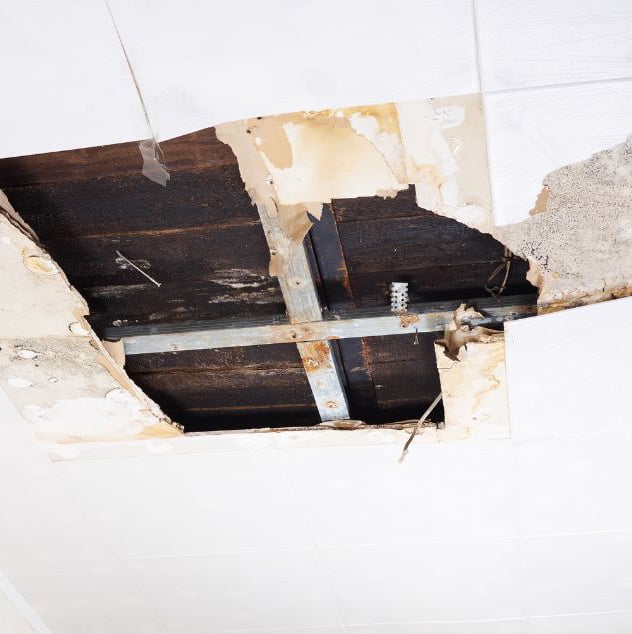

The number-one thing you need to do to prepare your roof assets ahead of the next hurricane or major storm is get eyes on every roof now—not after a storm is already in the forecast.
If you manage commercial buildings anywhere along the Gulf Coast or East Coast, waiting until a hurricane warning is issued is often too late. Summer storms can develop quickly, and small roofing issues that seem minor today can become major sources of water intrusion, interior damage, tenant disruption, and unplanned capital expenses.
A proactive roof inspection can help identify vulnerable areas or issues while they are still inexpensive to fix. In many cases, spending a few thousand dollars on preventative repairs now can help you avoid hundreds of thousands of dollars in storm-related roof replacement and building damage later.
Why Commercial Roof Storm Preparation Matters
Strong winds, wind-driven rain, clogged drainage systems, and loose roof components are among the most common causes of storm-related roof failures. Even a well-performing roof can be compromised if drainage is blocked or flashing is loose.
Preparing your roof before the next storm helps:
- Reduce the risk of leaks and interior water damage
- Protect HVAC and other rooftop equipment
- Minimize business interruption
- Preserve manufacturer warranty compliance
- Improve insurance documentation
- Extend the life of the roof system
5-Step Commercial Roof Pre-Storm Checklist
1. Clean Roof Drains and Scuppers
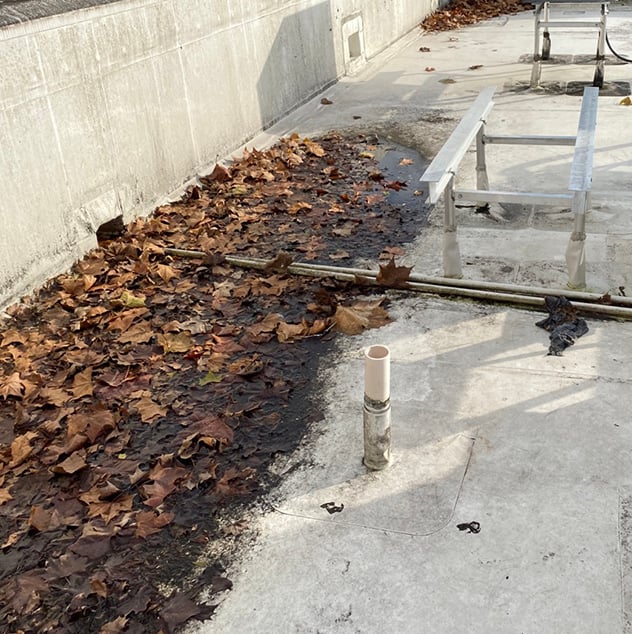
Clogged drains are one of the biggest contributors to storm-related roof problems. Remove leaves, dirt, debris, and any obstructions that could prevent water from draining properly. What to look for:
- Ponding water
- Debris buildup around drains
- Blocked scuppers and downspouts
- Signs of overflow staining
2. Inspect Edge Metal and Perimeter Flashing
The roof perimeter is often where wind damage begins. Loose edge metal can allow wind to get underneath the roof system and cause progressive failure. Check for:
- Loose fasteners
- Lifted flashing
- Separated joints
- Corrosion or deterioration
3. Walk Every Seam and Penetration
Inspect the entire roof surface, paying close attention to seams, pipe penetrations, vents, skylights, and other rooftop openings. Look for:
- Open seams
- Cracked sealant
- Blisters or membrane damage
- Loose penetration flashings
4. Check HVAC Curb Flashings
Rooftop HVAC units are particularly vulnerable during severe weather. Inspect the flashing around every curb and verify that equipment is properly secured. Pay attention to:
- Cracked or separated flashing
- Loose counterflashing
- Gaps around curbs
- Signs of previous water intrusion
5. Take Pre-Storm Photos
Document current roof conditions with date-stamped photographs for insurance claims and post-storm assessments. Here’s what to capture:
- Overall view of the roof
- Drains and scuppers
- Perimeter flashing
- HVAC Curbs
- Any existing damage
When Should You Schedule a Roof Inspection?
Ideally, commercial roofs should be inspected before hurricane season begins and again after any significant storm event. For portfolios with multiple properties, prioritize:
- Older roofs
- Buildings with a history of leaks
- Facilities with critical operations
- Properties in coastal or high-wind zones
What Should You Do Right Now?
If you only take one action before the next hurricane or major storm, schedule a professional roof inspection and get current documentation of every roof asset. That inspection should include drain cleaning, flashing evaluation, seam and penetration checks, HVAC curb inspections, and pre-storm photo documentation. Taking this critical and proactive step can help reduce emergency repairs, protect occupants and operations, support insurance claims, and extend the life of your roof assets.
Need a Pre-Storm Roof Assessment?
Let’s Roof helps commercial property and facility managers identify vulnerabilities, prioritize repairs, and build a proactive maintenance plan that reduces risk before hurricane and storm season intensifies. Get started now!